- Home
- Selling with an asbestos roof
Selling a house with an asbestos roof
You can. And no law says you have to remove it first.
Two questions come up the moment an asbestos roof is flagged: can I still sell, and must I replace it before I do. The short answers are yes and no. Here is what the law says, and what it does not say.
Yes, you can sell a house with an asbestos roof in South Africa, and there is no law obliging you to remove it before the sale. Asbestos was banned in 2008, but that ban stopped the use, manufacture, import and export of new asbestos material. It did not make existing roofs illegal, and it did not put a deadline on them.
What changes at sale is disclosure, not demolition. Since 1 February 2022 the Property Practitioners Act requires a signed Mandatory Disclosure Form before an agent can take your mandate. Whether an asbestos roof belongs on that form is a narrower question than the removal industry tends to suggest, and it is dealt with below.
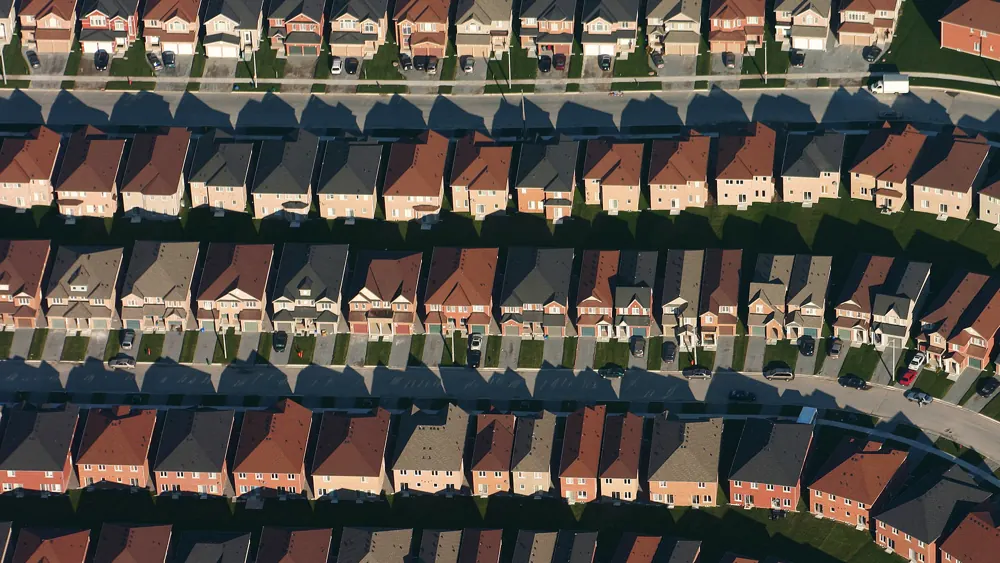 Photo: IDuke, CC BY-SA 2.5
The three things that actually matter
Everything else said about asbestos and property sales tends to be a version of one of these.
You do not have to remove it
No South African law requires a homeowner to remove an asbestos roof, and no compliance certificate exists for one. Conveyancers have had to say this repeatedly as the opposite claim circulates.
You do have to be honest
The Property Practitioners Act 22 of 2019 requires a completed, signed Mandatory Disclosure Form before a mandate is accepted, attached to the sale agreement.
Voetstoots is narrower than people think
A voetstoots clause does not cover a material latent defect the seller knew about and deliberately hid. It does cover things a buyer could see on a reasonable inspection.
Does an asbestos roof go on the disclosure form?
This is genuinely contested, and anyone telling you it is settled is selling something.
The form asks you to declare defects you know about: ones visible on inspection, ones that may surface later, and ones that were concealed. Conveyancing firms including Miltons Matsemela and MMO Law have argued publicly that the mere presence of asbestos roofing is not automatically a defect at all, and that the 2020 regulations do not create a duty to disclose it. The regulations oblige owners whose property may expose workers to a risk to have it assessed, which is a different obligation from a seller telling a buyer.
The practical position most agents take: a sound asbestos roof is a patent condition a buyer can see, so it rarely qualifies as a hidden defect. A roof that is cracked, crumbling or leaking is a defect on any reading, asbestos or not, and belongs on the form.
If the form is missing from the agreement entirely, the Act treats the sale as though nothing was disclosed, which is the worst position a seller can be in. An agent who skips it can face a PPRA fine of up to R15,000 per infraction.
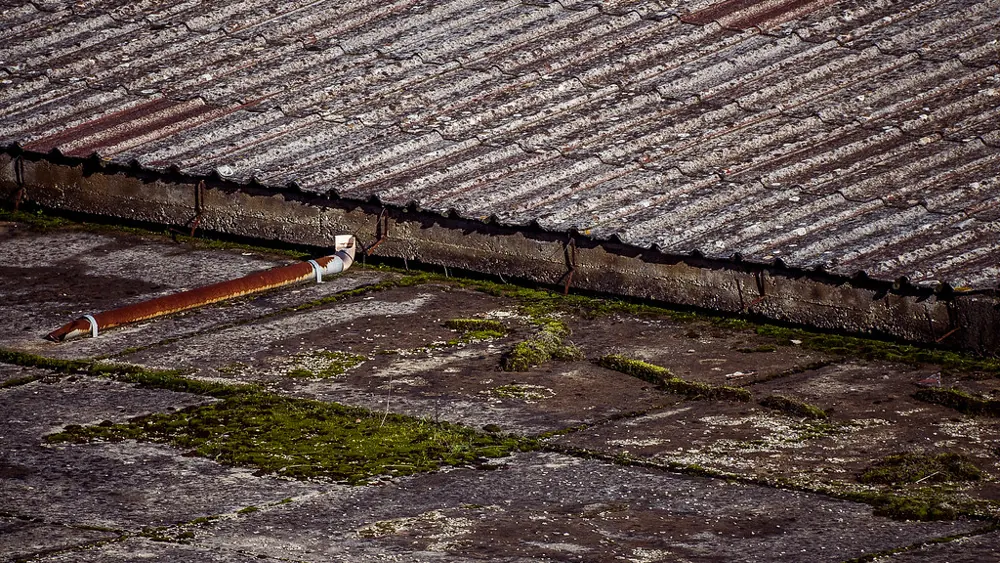 Photo: angelo0690, CC BY-SA 2.0
Replace before listing, or sell as is?
There is no single right answer. There is a right answer for your buyer.
What it does to the price
A buyer who reads the inspection report is going to price the roof in, so you are choosing between two versions of the same money: take the discount at offer stage, or spend it before listing.
For a 150 m² house the replacement runs about R100,000 to R145,000 all in, roughly three weeks. Buyers who intend to install solar have no choice in the matter, because panels cannot go on an asbestos roof at all. If your buyer pool is in that group, replacing first is usually the stronger play.
Selling as is also works, provided the roof is sound and the condition is on the table. Buyers take on plenty of older roofs at the right price. What kills sales is the discovery arriving late, after an offer, when it reads as something you hid.
This page explains the position as we understand it and is not legal advice. Your conveyancer is the person to confirm it for your sale.
Questions people ask about selling with an asbestos roof
Can you sell a house with an asbestos roof in South Africa?
Yes. There is no law preventing the sale of a property with an asbestos roof, and no compliance certificate is required for one. What applies is the Mandatory Disclosure Form under the Property Practitioners Act, which has been compulsory since 1 February 2022.
Is it illegal to have an asbestos roof in South Africa?
No. The 2008 regulations banned the use, manufacture, import and export of asbestos and asbestos-containing materials. They did not make existing asbestos roofs illegal and set no deadline for removing them. What is strictly controlled is the work: removal, transport and disposal may only be done by a contractor registered with the Department of Employment and Labour.
Do I have to remove the asbestos roof before I sell?
No. No South African law obliges a homeowner to remove an asbestos roof, before a sale or at any other time. Several conveyancing firms have published corrections on this point because the opposite claim circulates widely.
Must an asbestos roof be declared on the disclosure form?
It depends on its condition and it is legally contested. A visibly sound asbestos roof is a patent condition a buyer can see on inspection, and some conveyancers argue it is not a defect at all. A cracked, crumbling or leaking roof is a defect on any reading and should be declared. Ask your conveyancer about your specific sale.
Does a voetstoots clause protect me if the buyer complains later?
Only partly. Voetstoots does not protect a seller against a material latent defect that the seller knew about and deliberately concealed. It does cover conditions a buyer could reasonably have discovered by inspecting the property.
Will the buyer's bond be refused because of an asbestos roof?
Not as a rule. Banks value the property as a whole rather than refusing on the roofing material, though a roof in poor condition can affect the valuation like any other structural issue.
Find out what the roof would cost before you list
Send the address and a photo. A registered contractor comes back with a fixed quote, so you can decide whether to replace before listing or price it into the sale.